Choosing a sandwich laminate core
Cores for boats, panels and transport
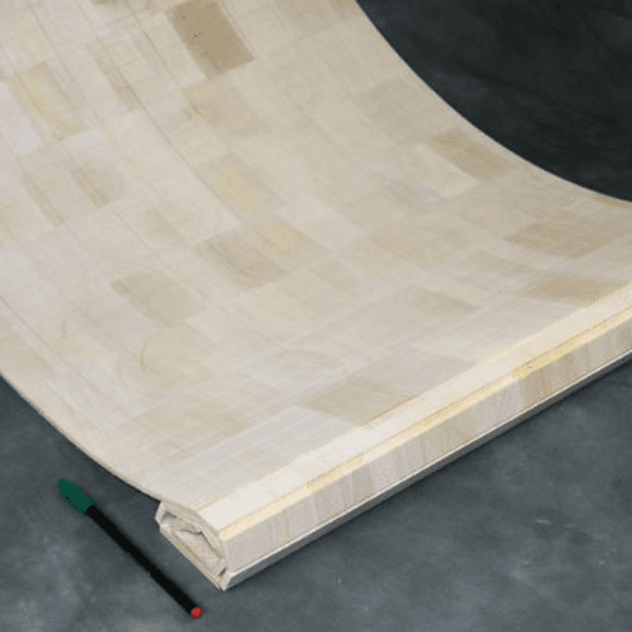
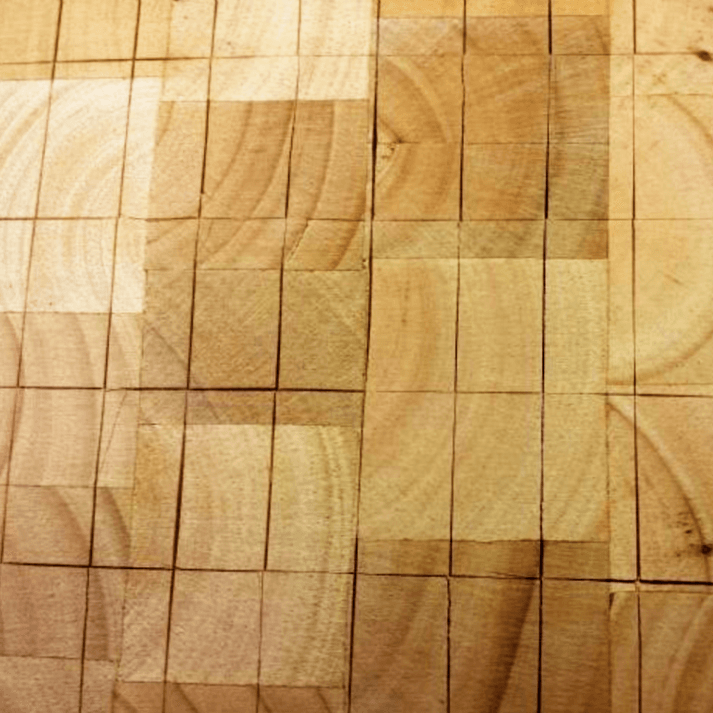
Documented applications for hulls, decks, bulkheads and panels are found in the PVC foam, PET foam and balsa wood families. There are also products for vehicle floors and components or wind blades. Selection must follow the overall design, not simply core thickness.
Thin laminates and curved geometries
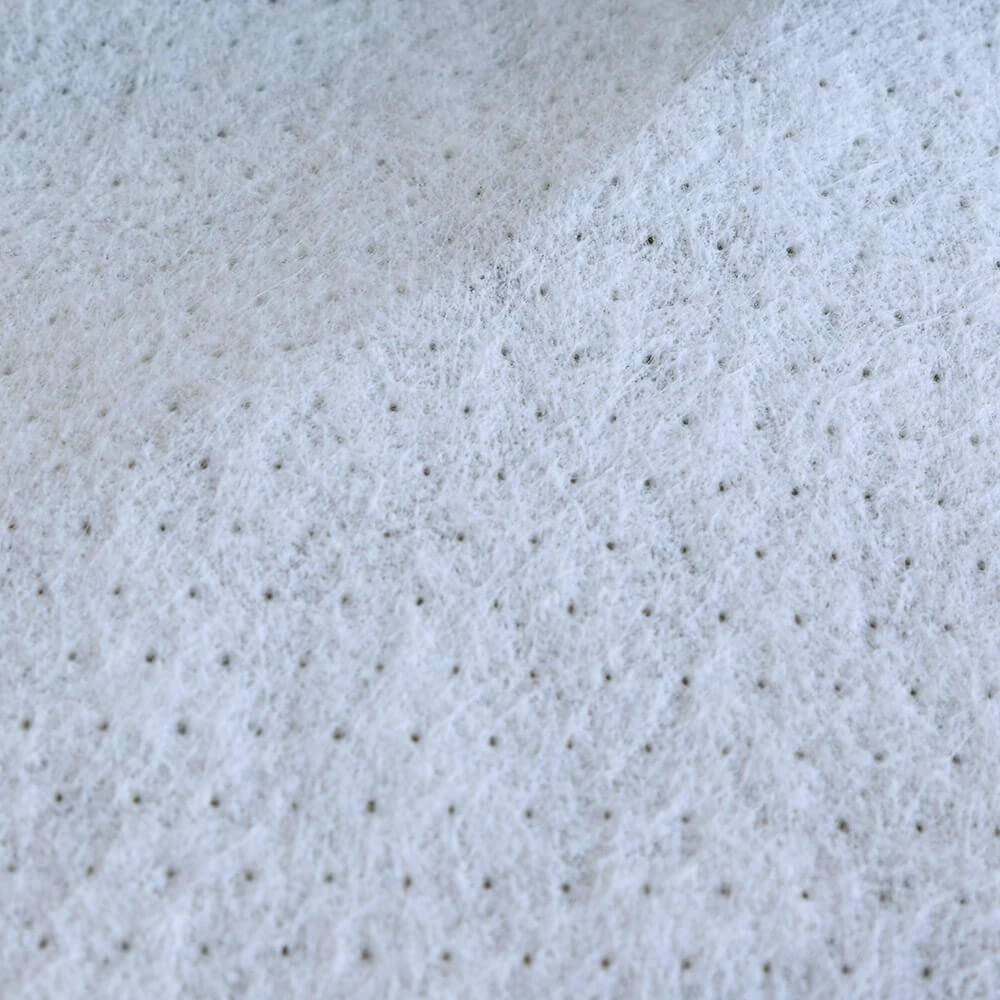
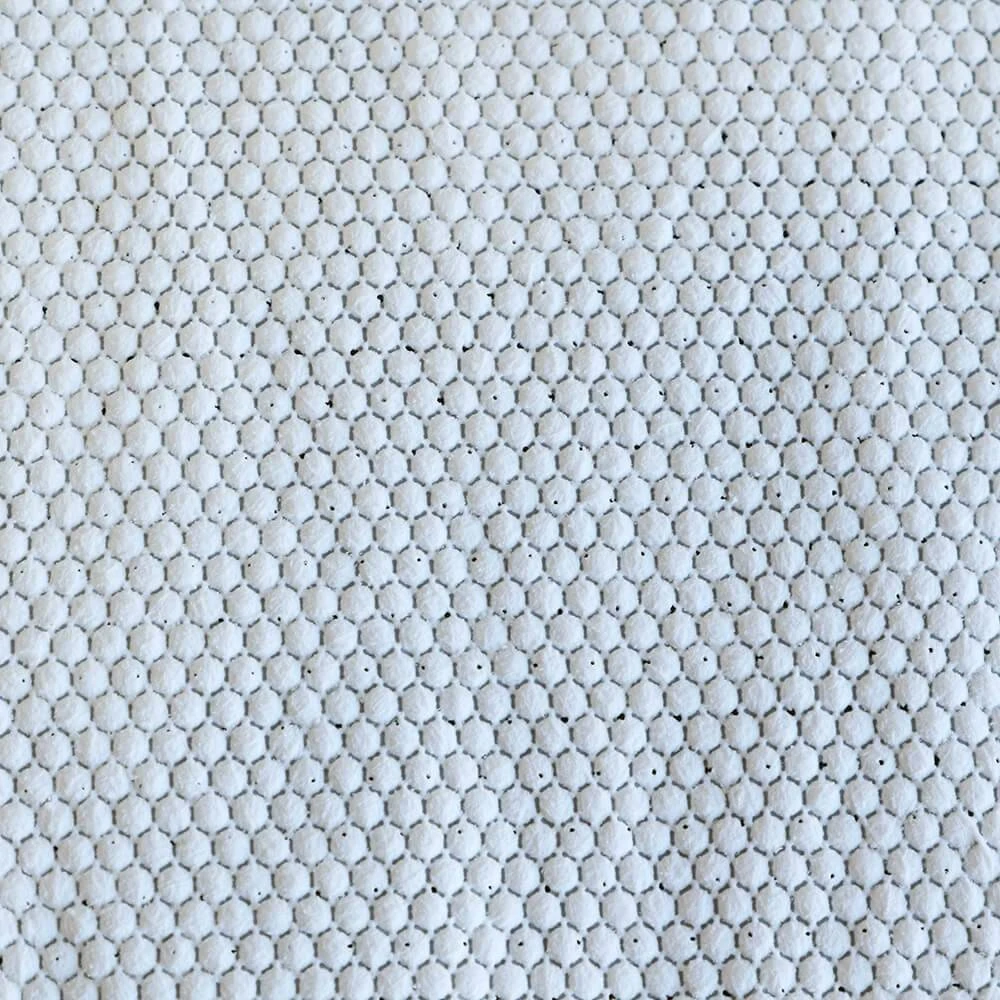
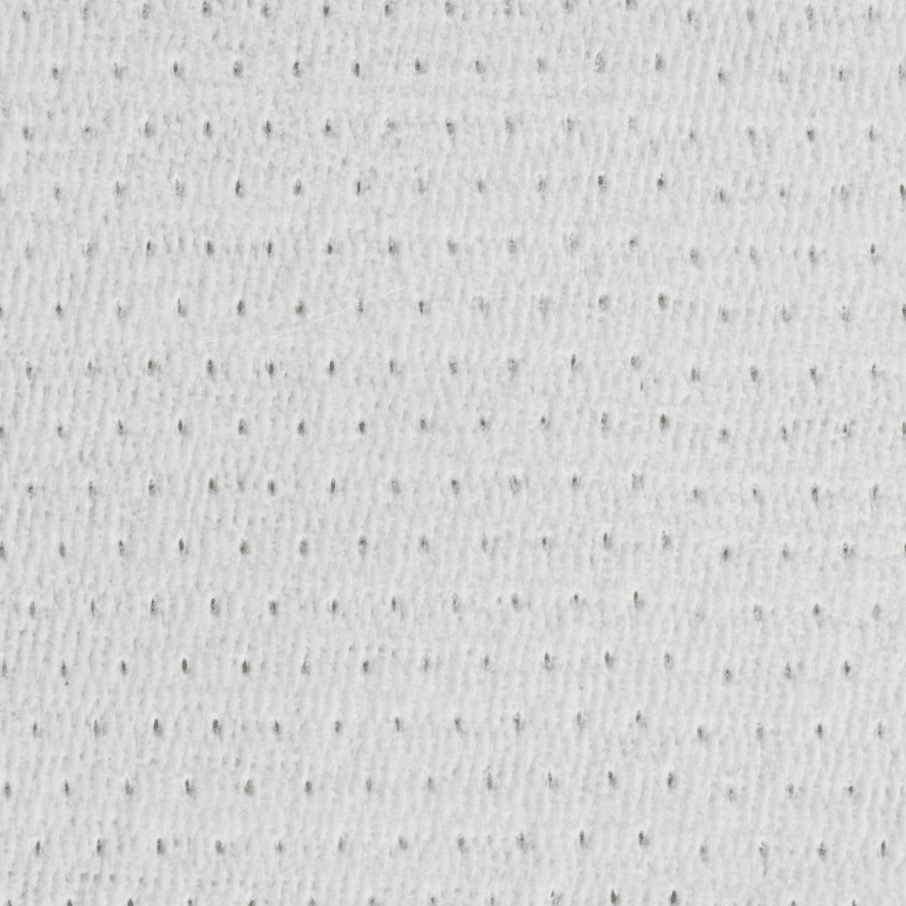
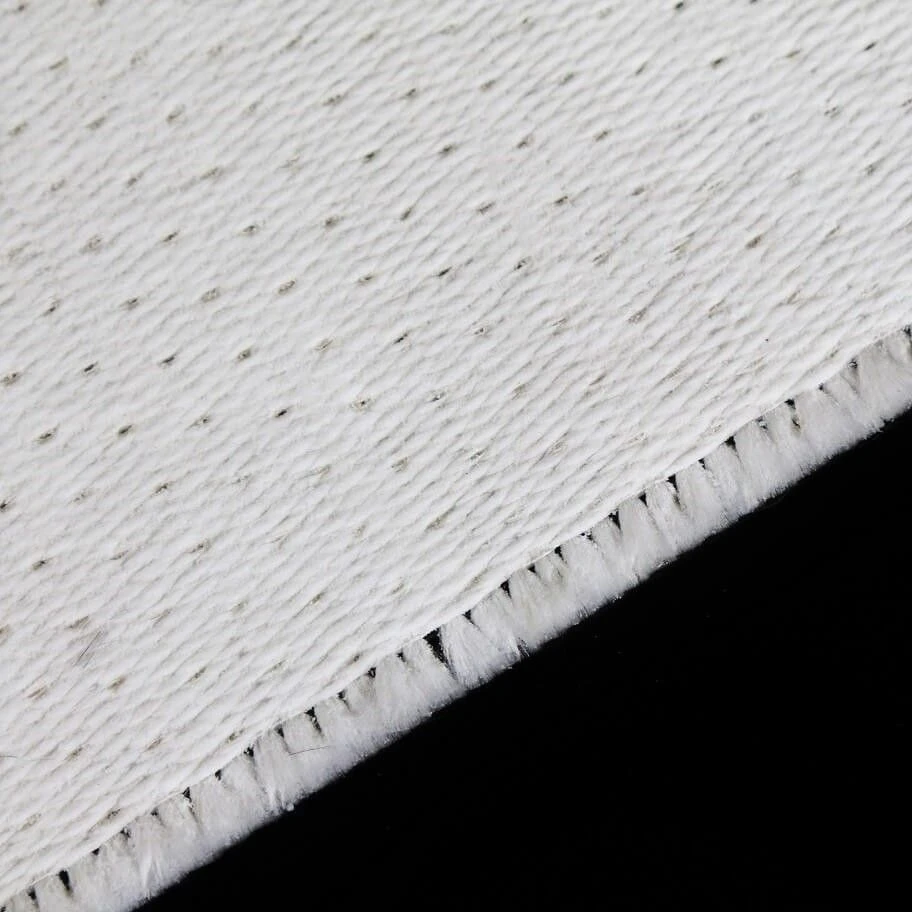
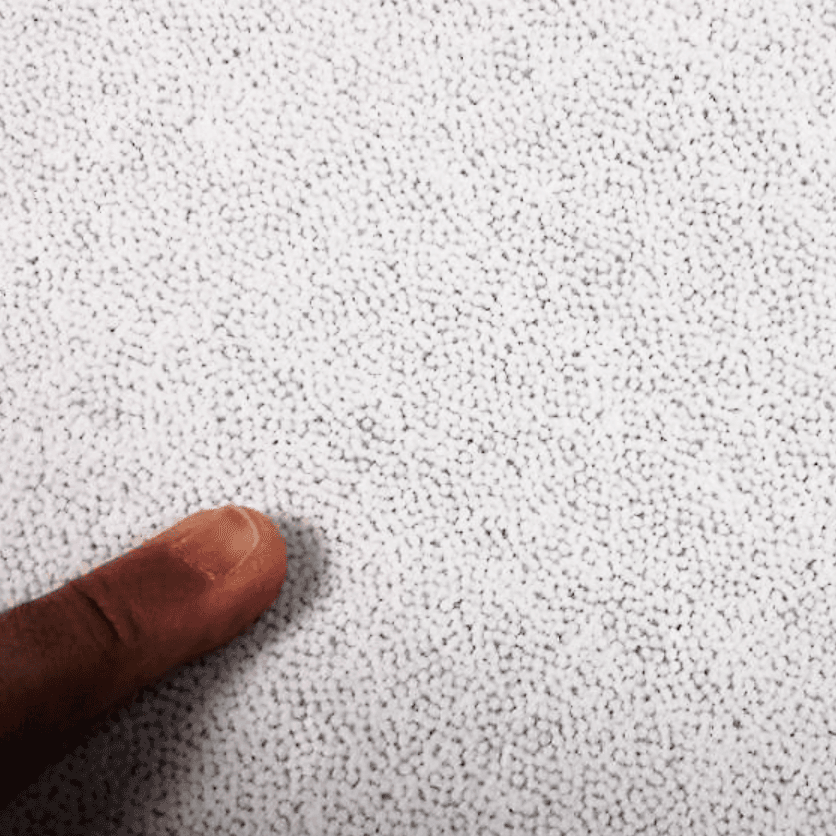
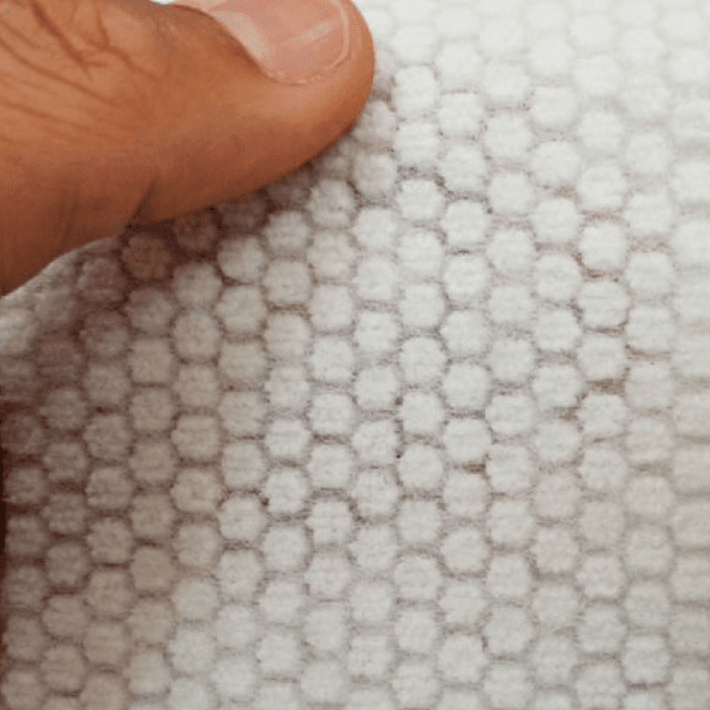
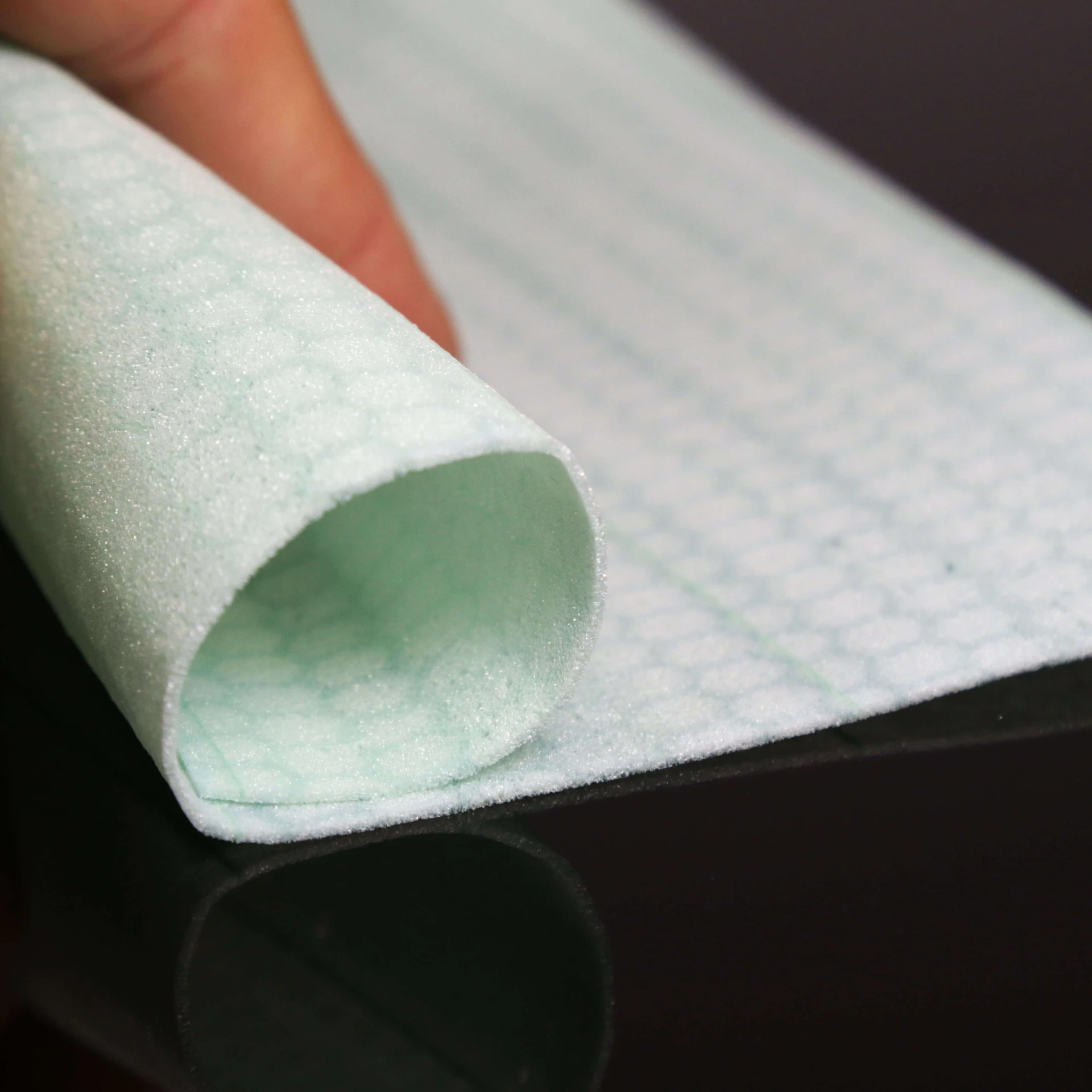
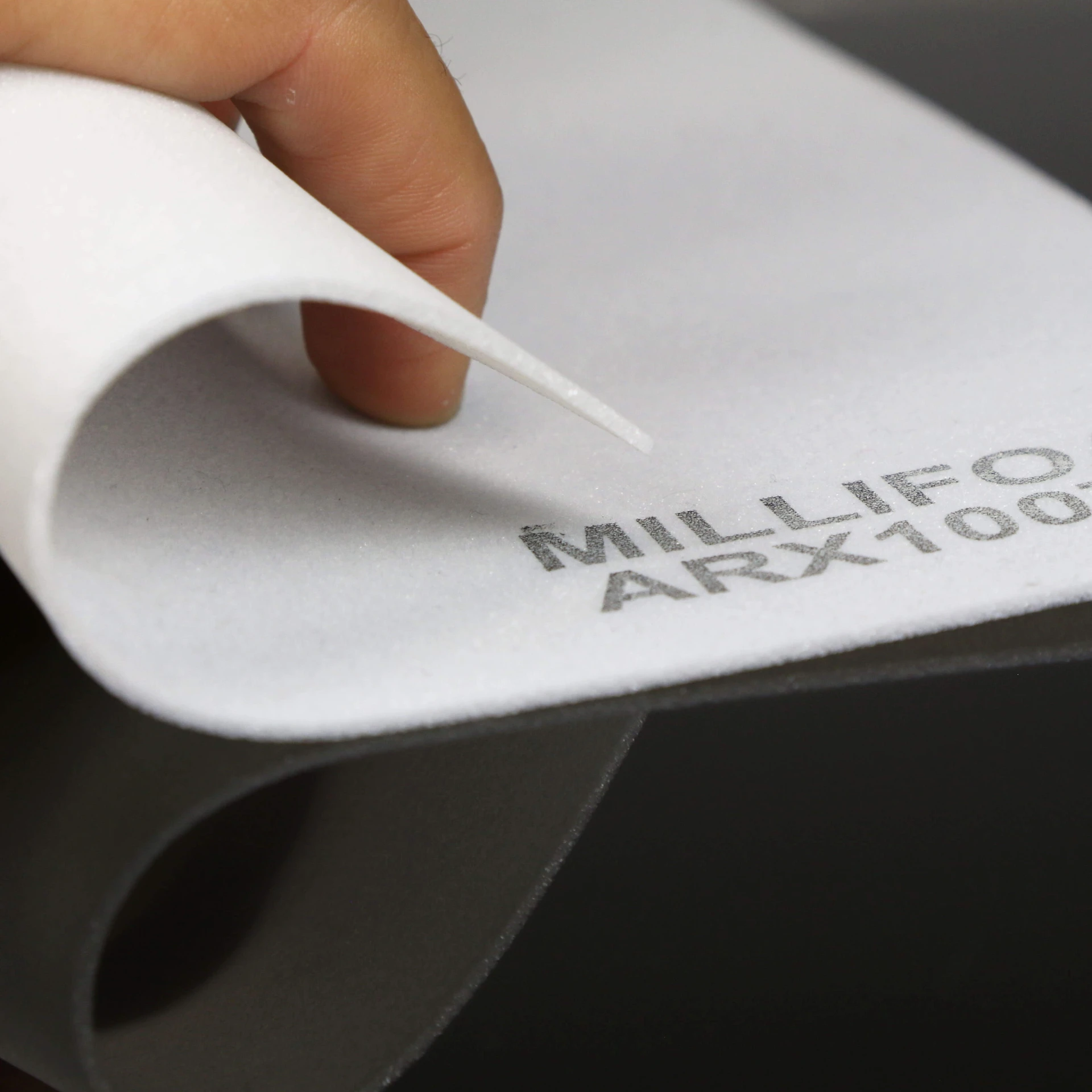
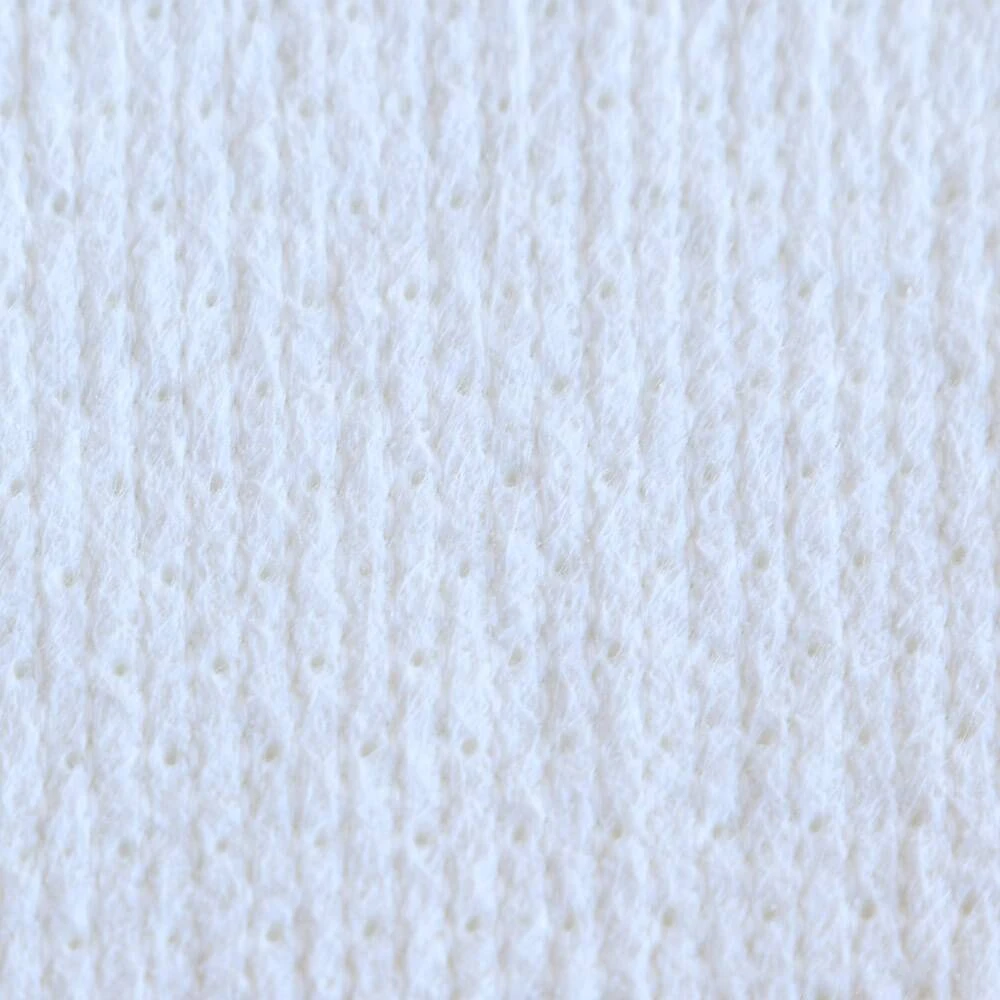
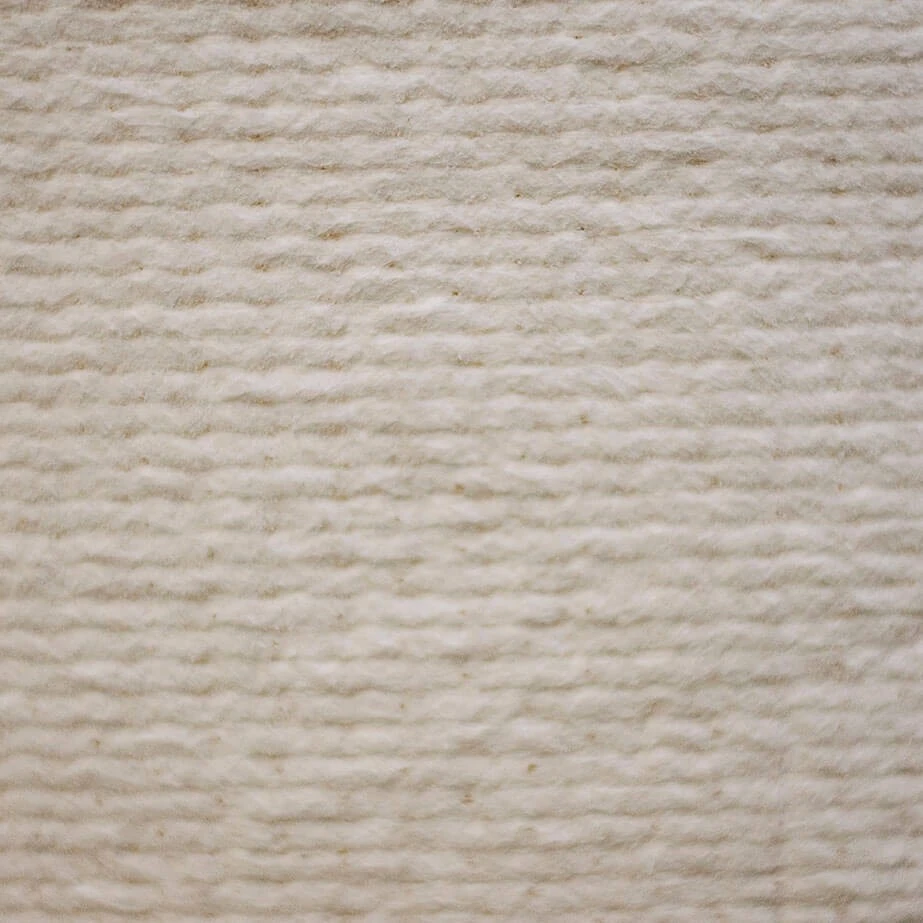
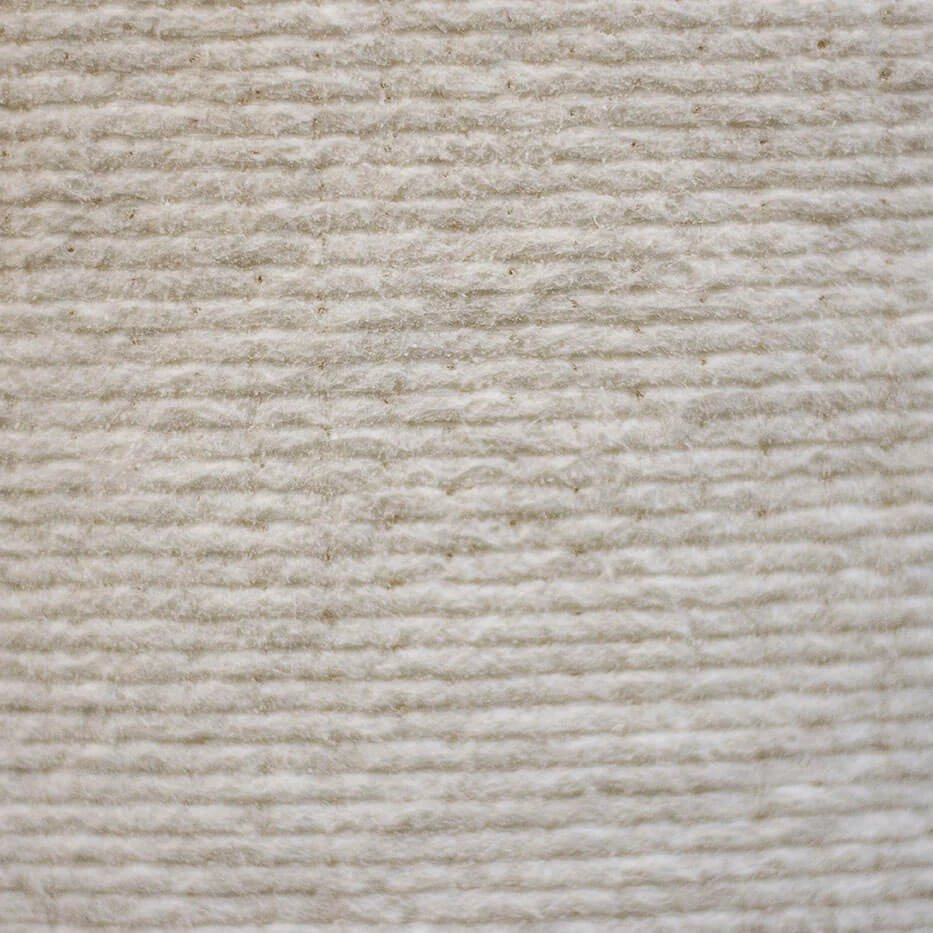
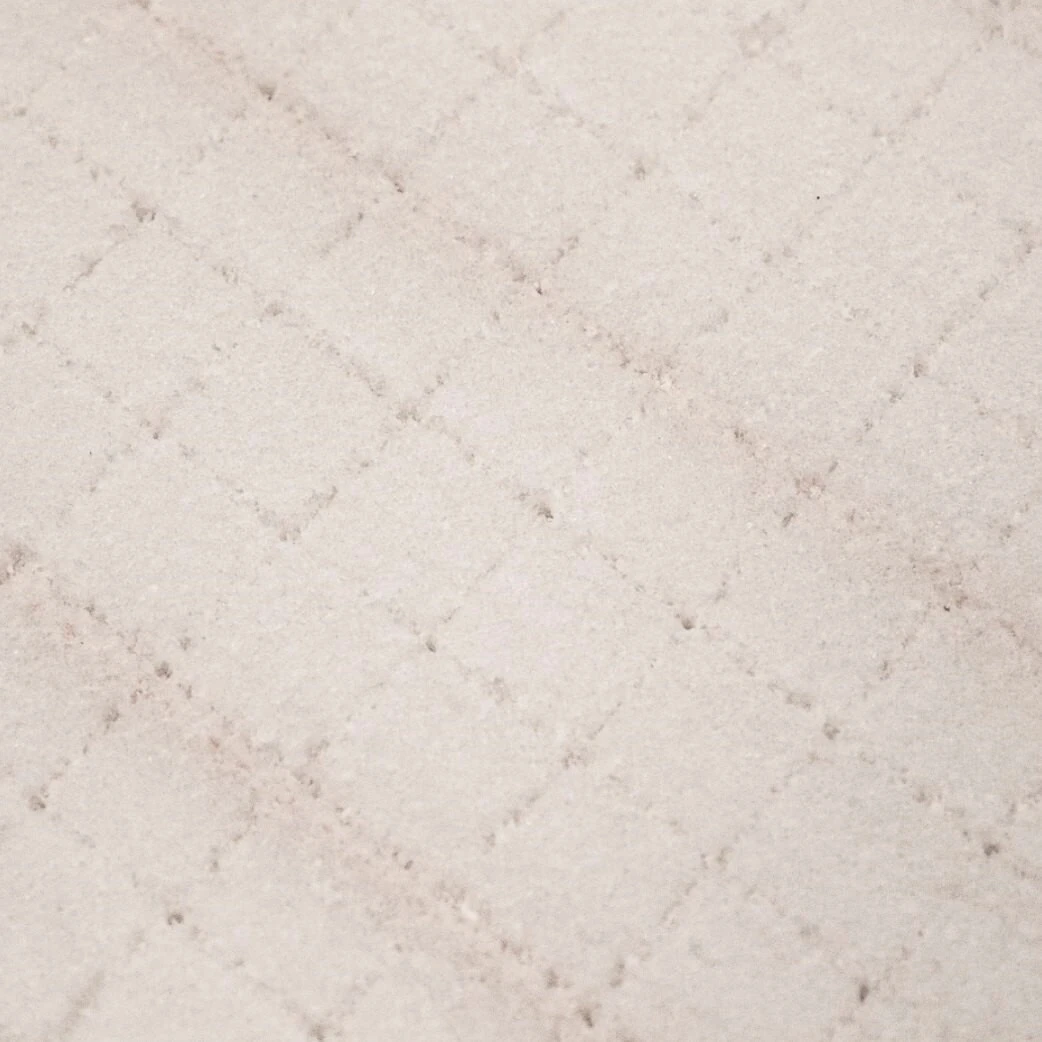
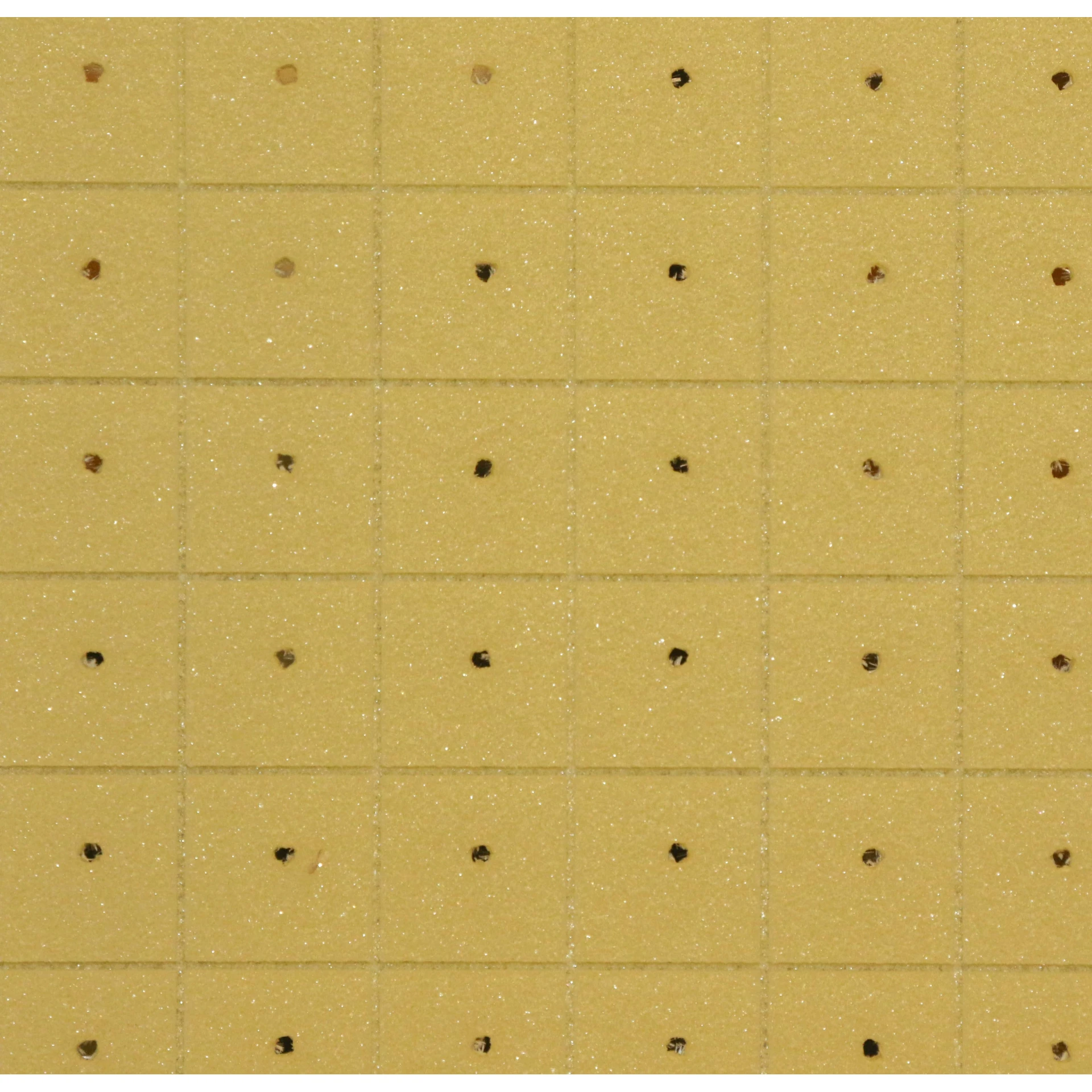
Cork cores and nonwoven cores offer different constructions for particular laminates and processes. Cut, grooved or mesh-backed sheets accommodate other geometries. Distinguish mould conformity, resin flow path and surface finish: they are not the same function.
Honeycombs and specialist foams
Polypropylene and aramid honeycombs have different applications and manufacturing methods. PPSU foams and PMI foams broaden the selection for specialist projects, always according to the specific grade and its documentation.
Polyurethane sheets and hybrid cores
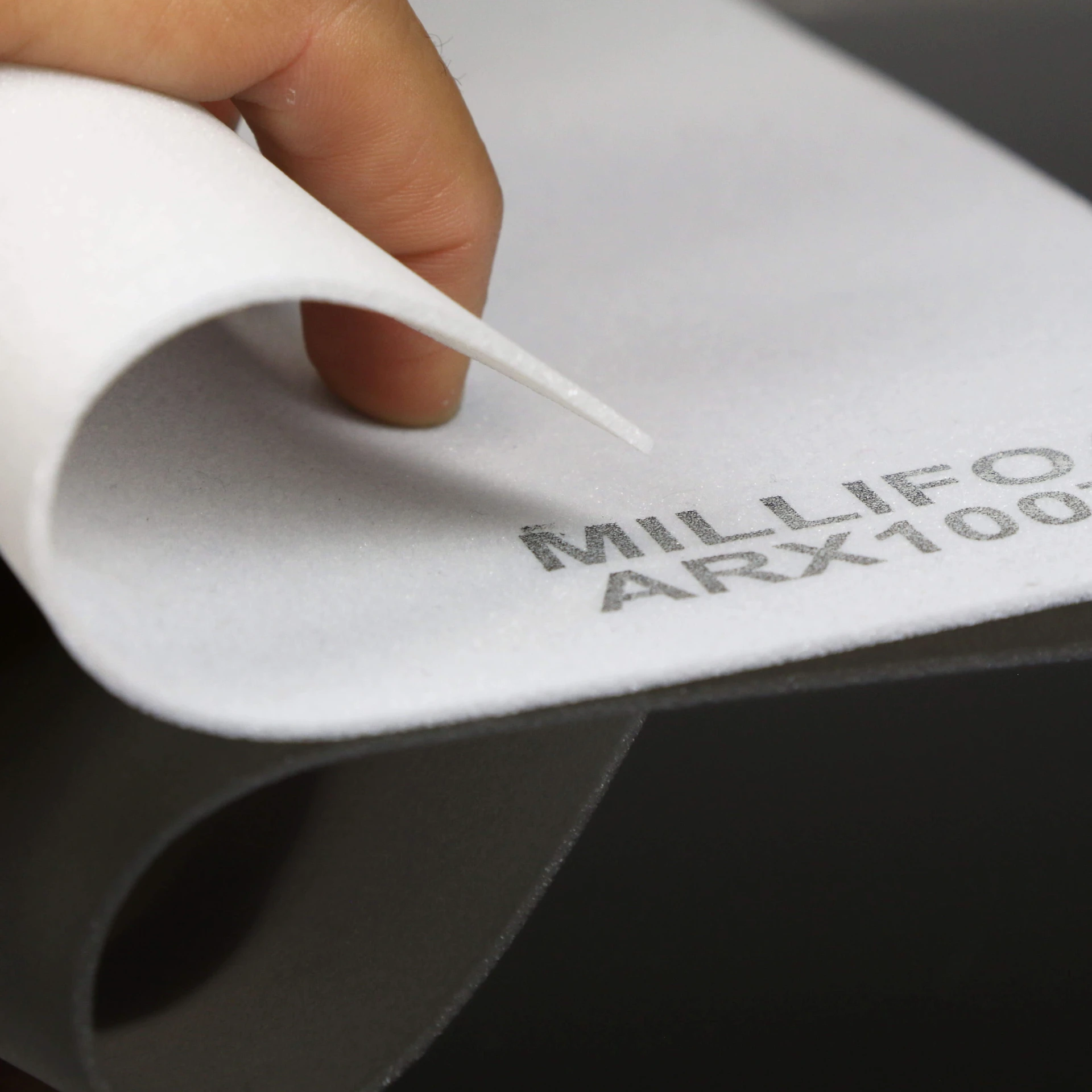
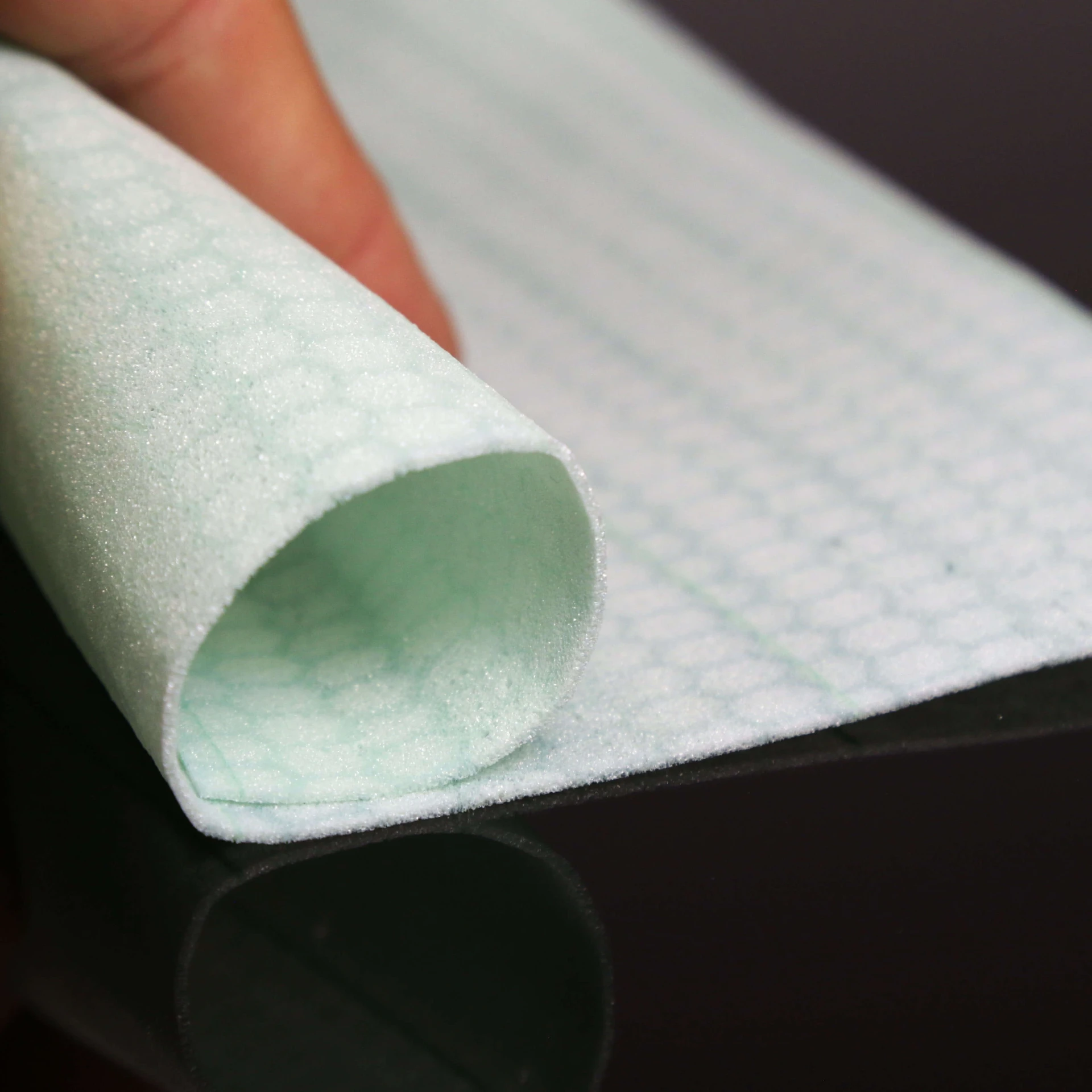
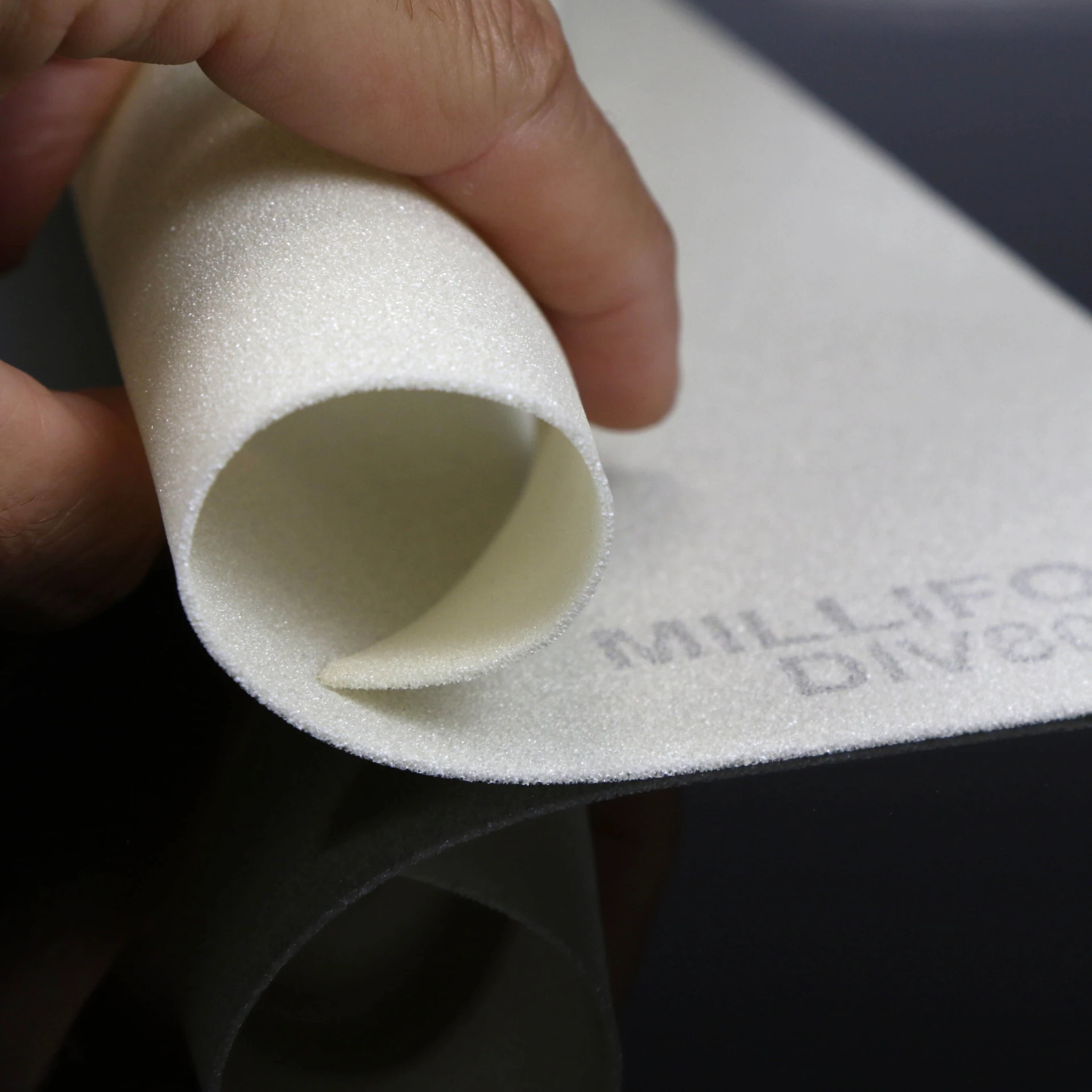
The polyurethane sheet selection includes plain foam and a hybrid core with glass fibres. These are not equivalent constructions: check the documentation for each product before choosing it for a sandwich structure.
Choosing core, skins and process together
Sandwich construction depends on the fibres, resin, core and their bonding. Before choosing, define whether you will use hand lay-up, infusion, adhesive bonding or prepregs, and check which products are prepared for that process. Two cores of the same thickness are not necessarily interchangeable.
 Cookie preferences


 Español
 Français
 Deutsch
 Italiano
 Português