 Cookie preferences



 Español
 Français
 Deutsch
 Italiano
 Português
Shopping Cart
Volume and expansion
Free-rise density alone does not describe the result inside a cavity. Adjust the pour through a representative test.
Foams / Sandwich structures · cavities
To make an epoxy foam core, define cavity geometry, filling volume and part performance. The 2080 M17 and M25 systems with 2086 M offer two reference densities and require testing of the actual expansion process.
View selected materials ↓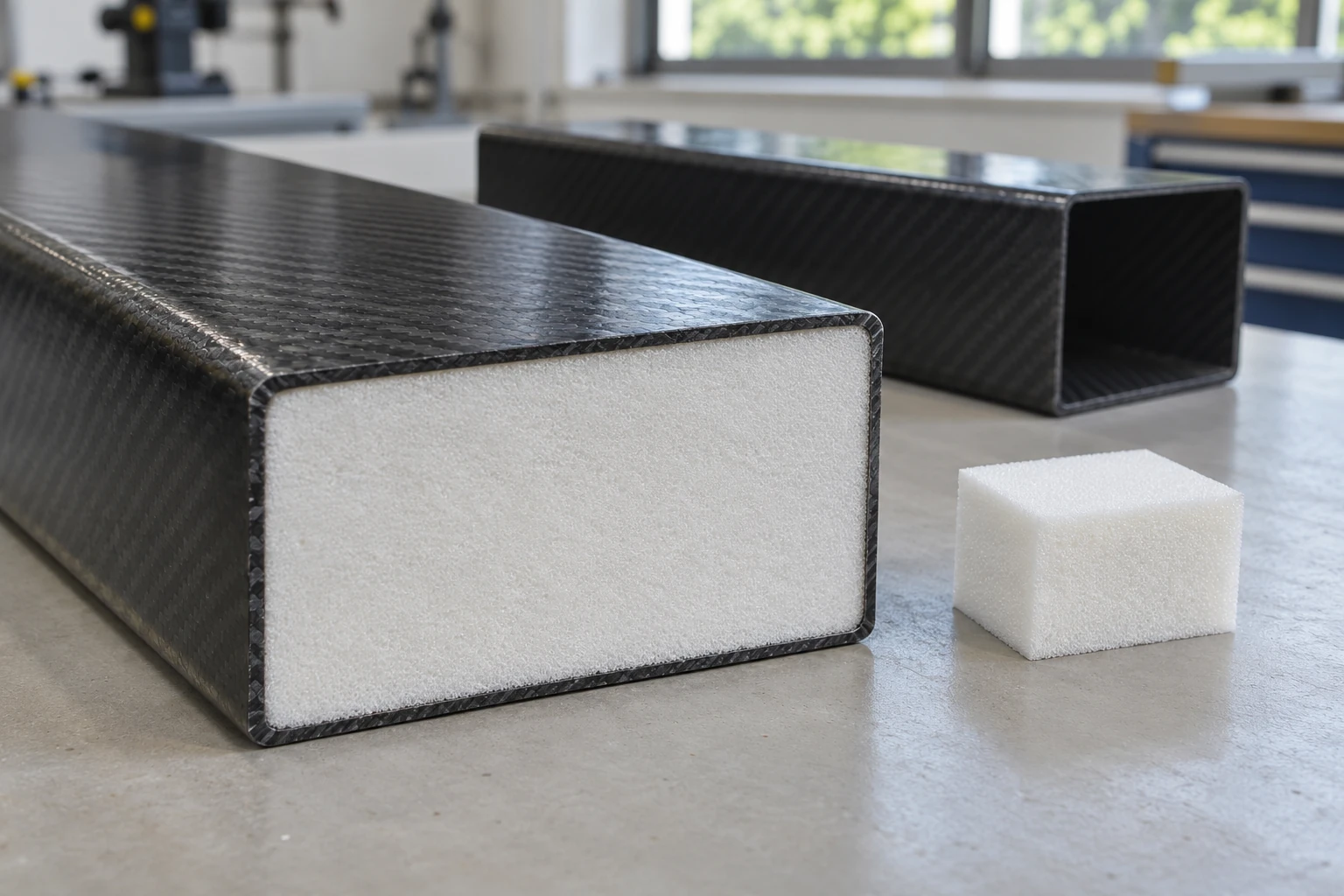
Before you buy
Free-rise density alone does not describe the result inside a cavity. Adjust the pour through a representative test.
Define bonding to the composite skins. In deep cavities, wet the walls with a compatible liquid resin before foaming to help expansion; verify the result in a representative test.
Foaming releases heat. Test the intended volume and plan post-curing if you need maximum thermal performance.
What to buy for this project
Compare their purpose and conditions of use.
Check sizes and options on each product page.
Black epoxy foam · low-density core
2080 M17 / 2086 M system for closed-cell structural cores or filling cavities in composite parts.
Test pour volume and expansion inside the cavity before manufacturing. Reaction heat increases with mass and confinement; this recommendation concerns the system with 2086 M, whose data sheet is linked.
White epoxy foam · higher-density core
2080 M25 / 2086 M system for epoxy foam cores compatible with epoxy laminates and prepregs.
Final density depends on expansion and available space. Test the actual cavity and allow for post-curing if the part needs the system's maximum thermal performance.
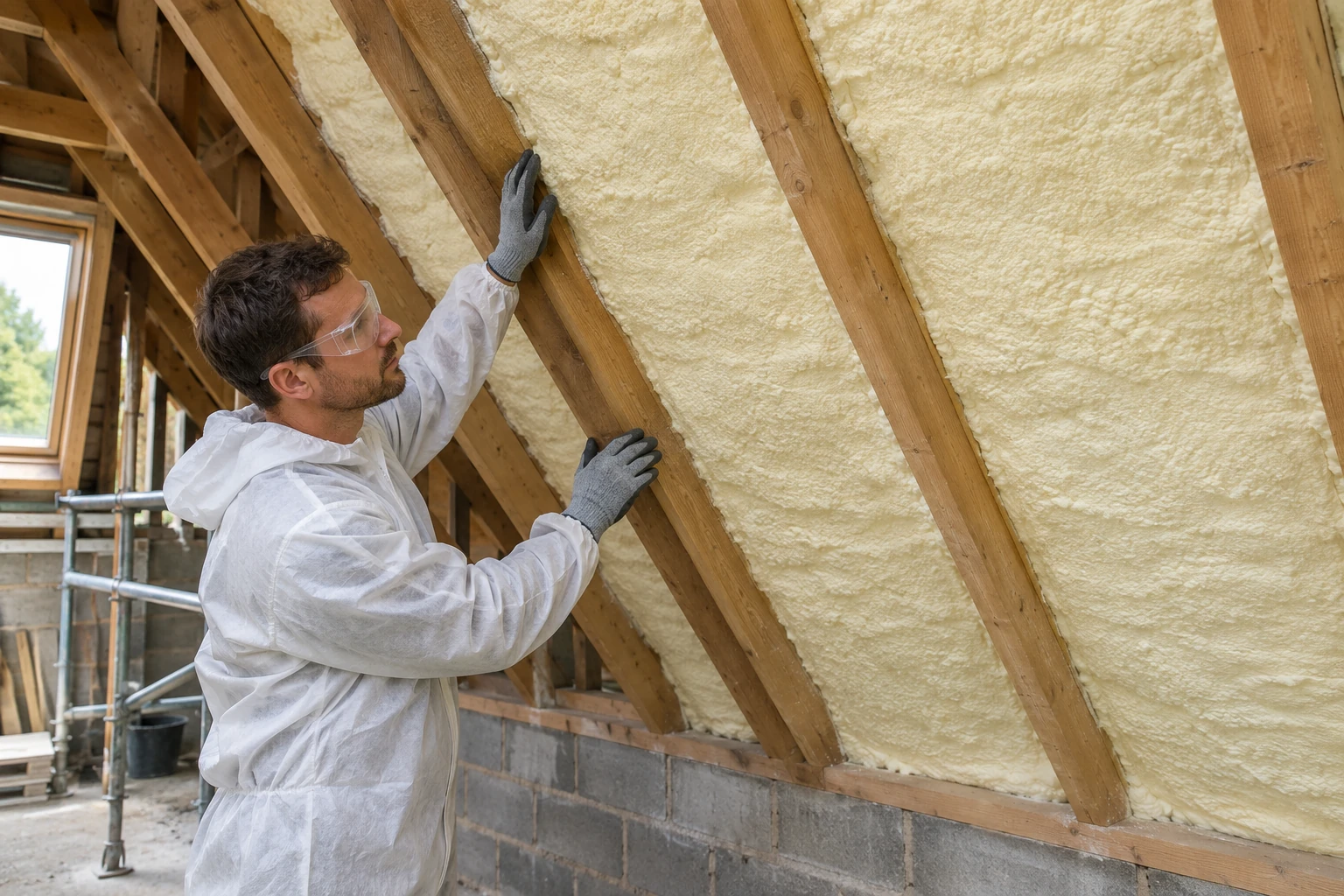
Rigid polyurethane foam for cavity filling and insulation projects using the documented process.
1 material · View application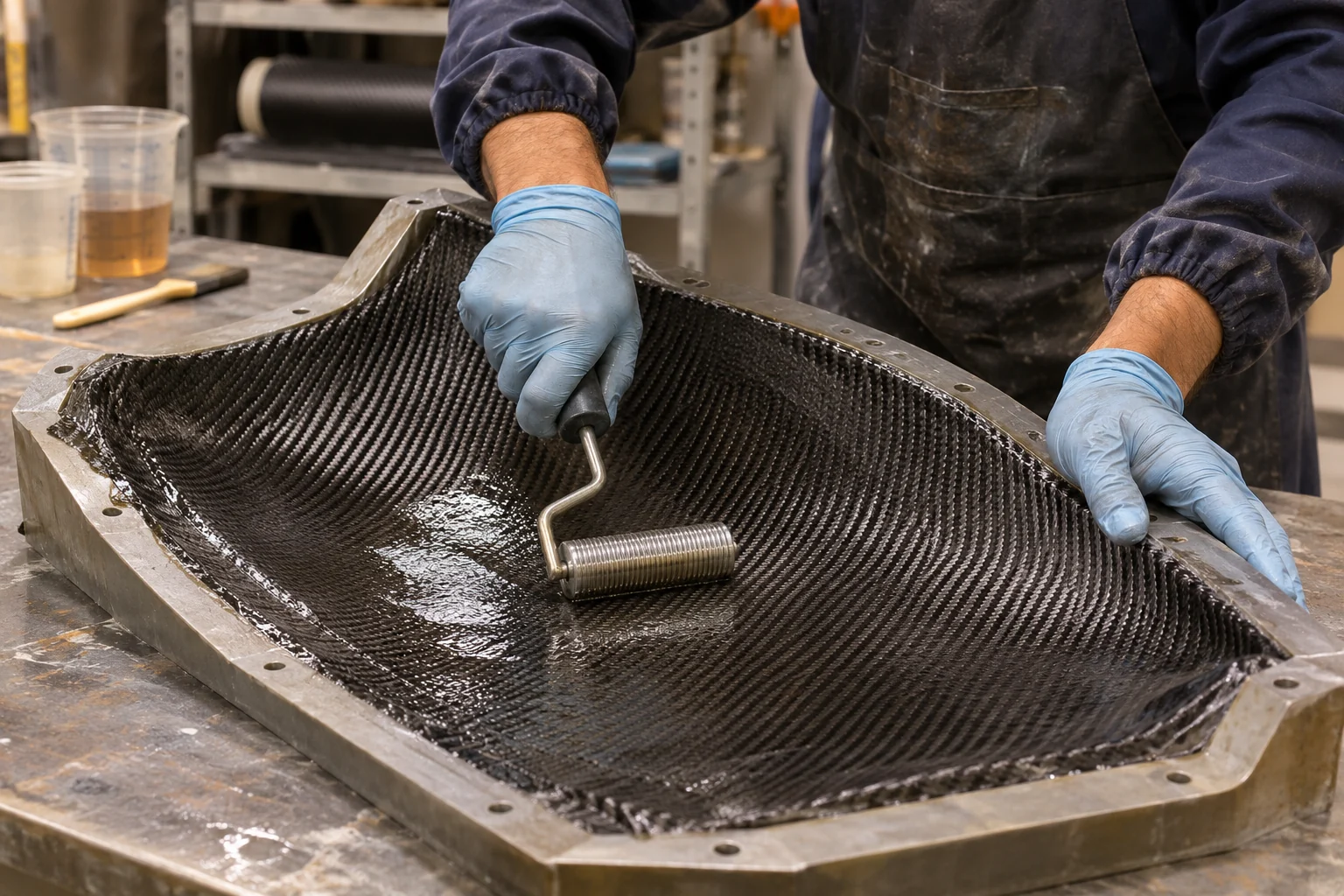
Epoxy, polyester and vinyl ester resins for making fibre-reinforced parts by hand lay-up or spray-up.
17 materials · View applicationTell us about the process, materials and working conditions.
