 Cookie preferences



 Español
 Français
 Deutsch
 Italiano
 Português
Shopping Cart
Casting material
For M 4511, the data sheet specifies the catalyst according to the resin or material being cast.
Moulds and replicas / Mould-making silicones
Before buying mould-making silicone, define what you will copy and the material used to reproduce the part. Crosslinking type, catalyst and demoulding conditions are part of the choice.
View selected materials ↓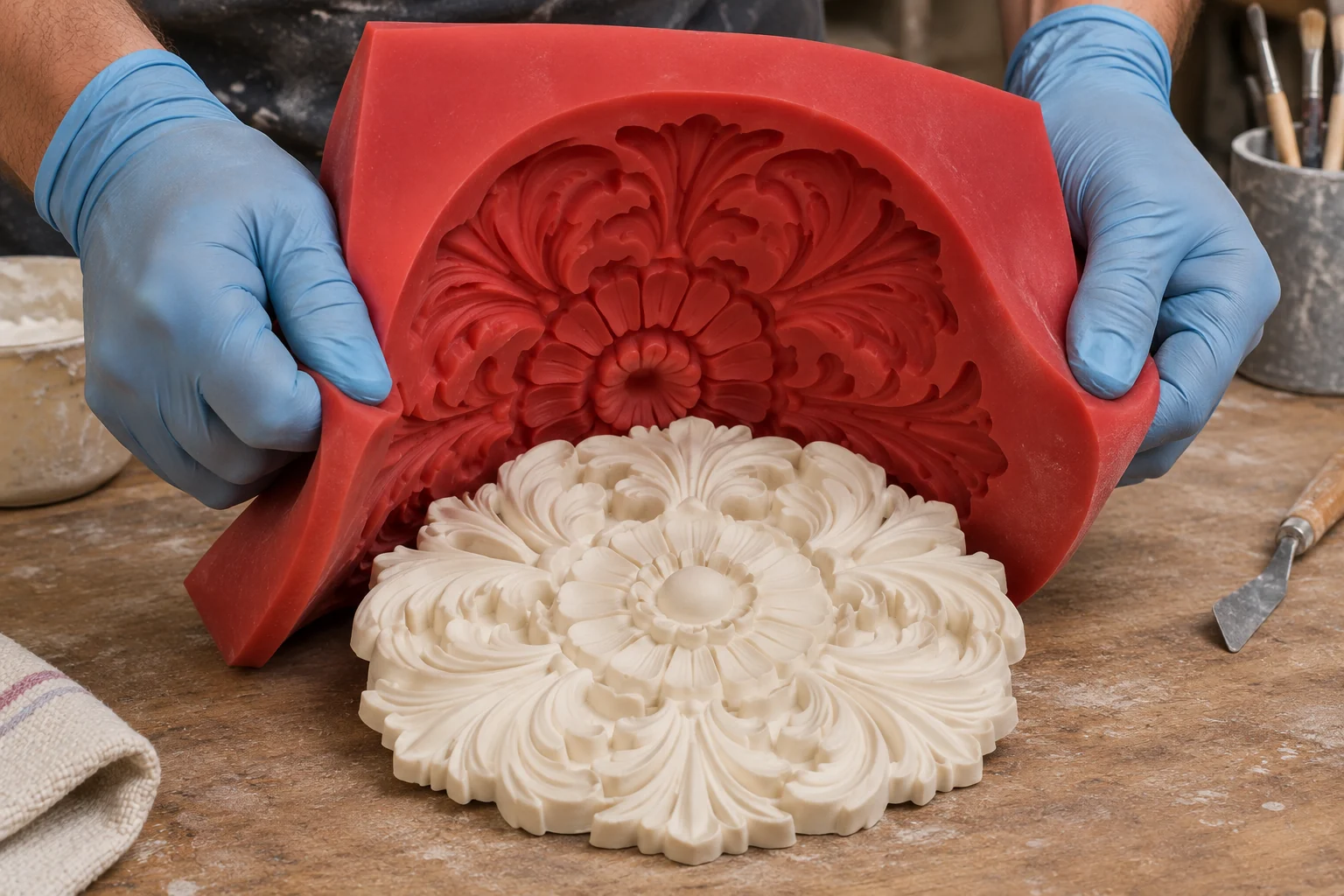
Before you buy
For M 4511, the data sheet specifies the catalyst according to the resin or material being cast.
M 4511 supports detailed reproduction and low demoulding forces. M 4601 emphasises detail reproduction and low shrinkage.
A mould-making recommendation does not validate every resin, master or contact material.
What to buy for this project
Compare their purpose and conditions of use.
Check sizes and options on each product page.
Documented selection
Silicone for flexible reproduction moulds, especially for polyester and polyurethane parts, with fine detail and low demoulding forces.
The casting material determines the catalyst: T21 for epoxy or polyurethane and T51 for polyester, plaster or concrete, among the documented uses.
Thickening Additive C for Condensation-Cure ELASTOSIL M Silicones: Optional for skin moulds on sloping or vertical surfaces with this condensation-cure silicone.
Documented selection
Addition-cure silicone for highly detailed moulds with very low shrinkage.
Test the silicone on the master and contact materials, such as modelling clay or release agent: some can inhibit curing. Also check compatibility with the casting material.
Documented selection
Condensation-cure M 4512 silicone for making flexible moulds for polyester and polyurethane parts.
Allow time to condition the mould before the first casting: the data sheet specifies 48 to 72 hours at room temperature, depending on silicone thickness.
Thickening Additive C for Condensation-Cure ELASTOSIL M Silicones: Optional for skin moulds on sloping or vertical surfaces with this condensation-cure silicone.
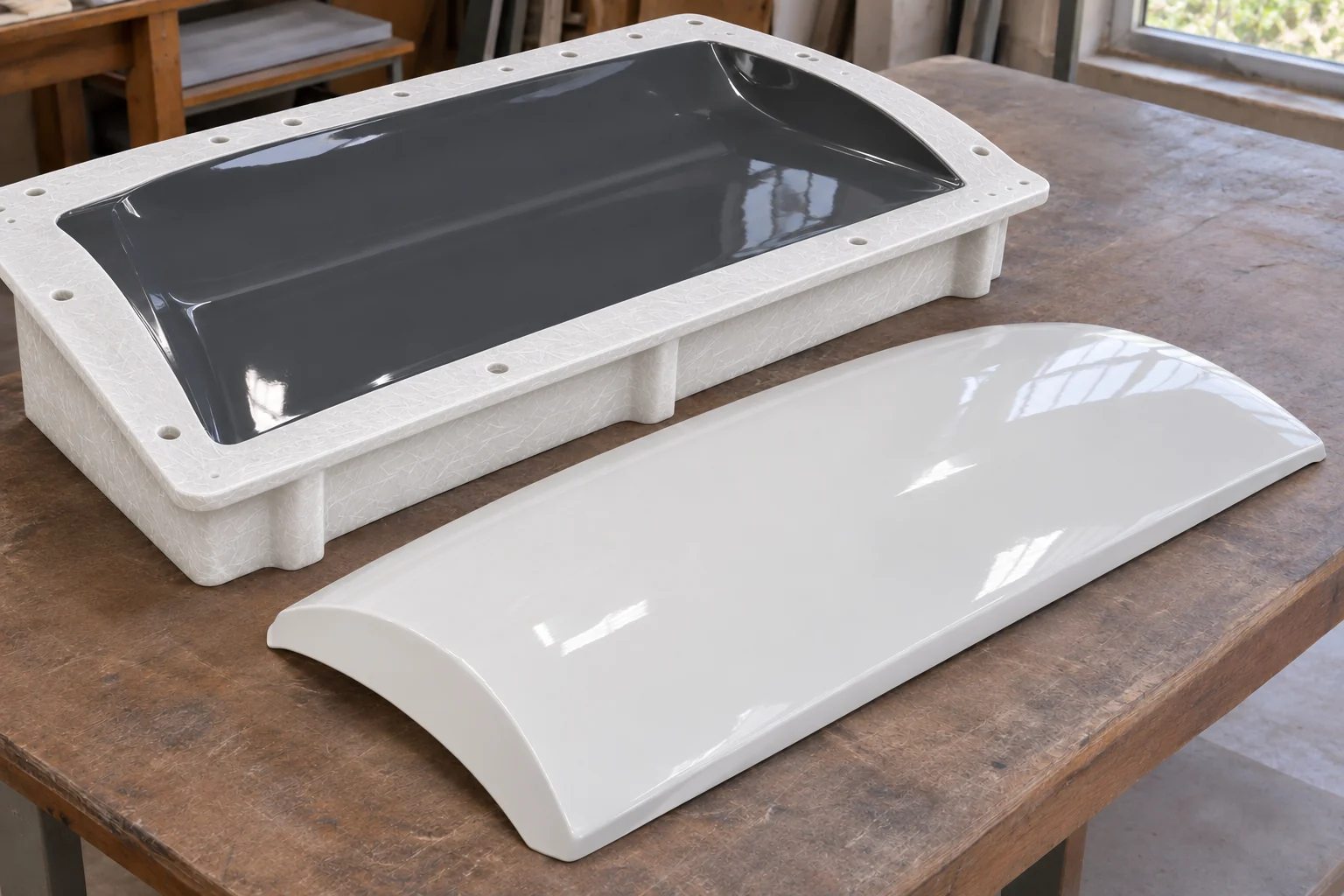
Gelcoats, skincoats and backing resins for moulds; hand lay-up, infusion and casting options according to their data sheets.
22 materials · View application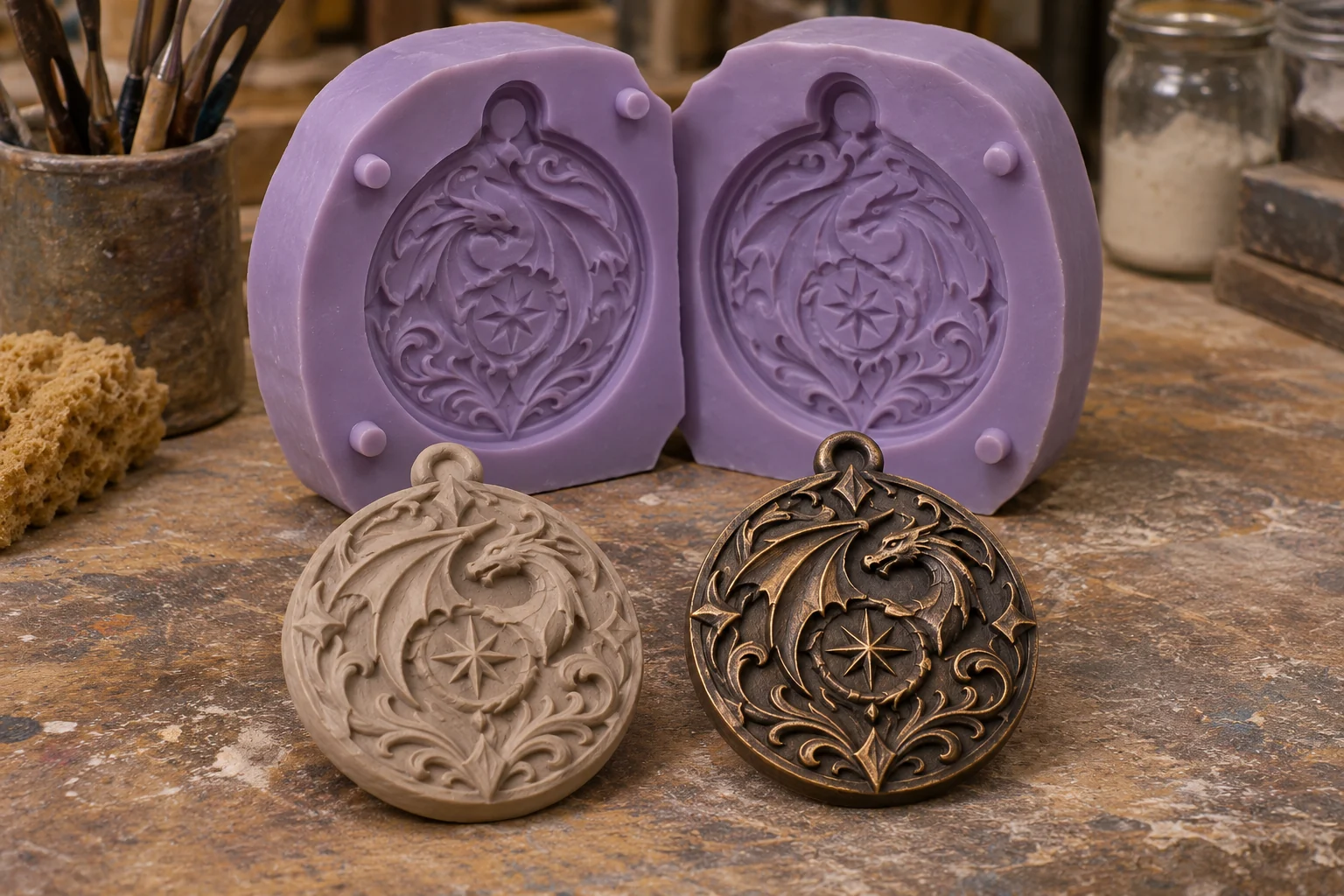
Reproduction silicone for special-effects work, within the scope documented in its data sheet.
1 material · View application
Choose a casting resin that combines wood and transparency, taking the actual volume of your table into account.
1 material · View applicationTell us about the process, materials and working conditions.
