 Cookie preferences



 Español
 Français
 Deutsch
 Italiano
 Português
Shopping Cart
Infusion or injection
Decide whether filling will use vacuum or injection in a closed mould. Equipment, viscosity and filling strategy must match the chosen resin's process.
Composites and marine / Resin + vacuum process
Before buying resin for infusion or injection, define the part size, reinforcement, flow path and available curing equipment. The following options differ in process, thermal behaviour and part requirements.
View selected materials ↓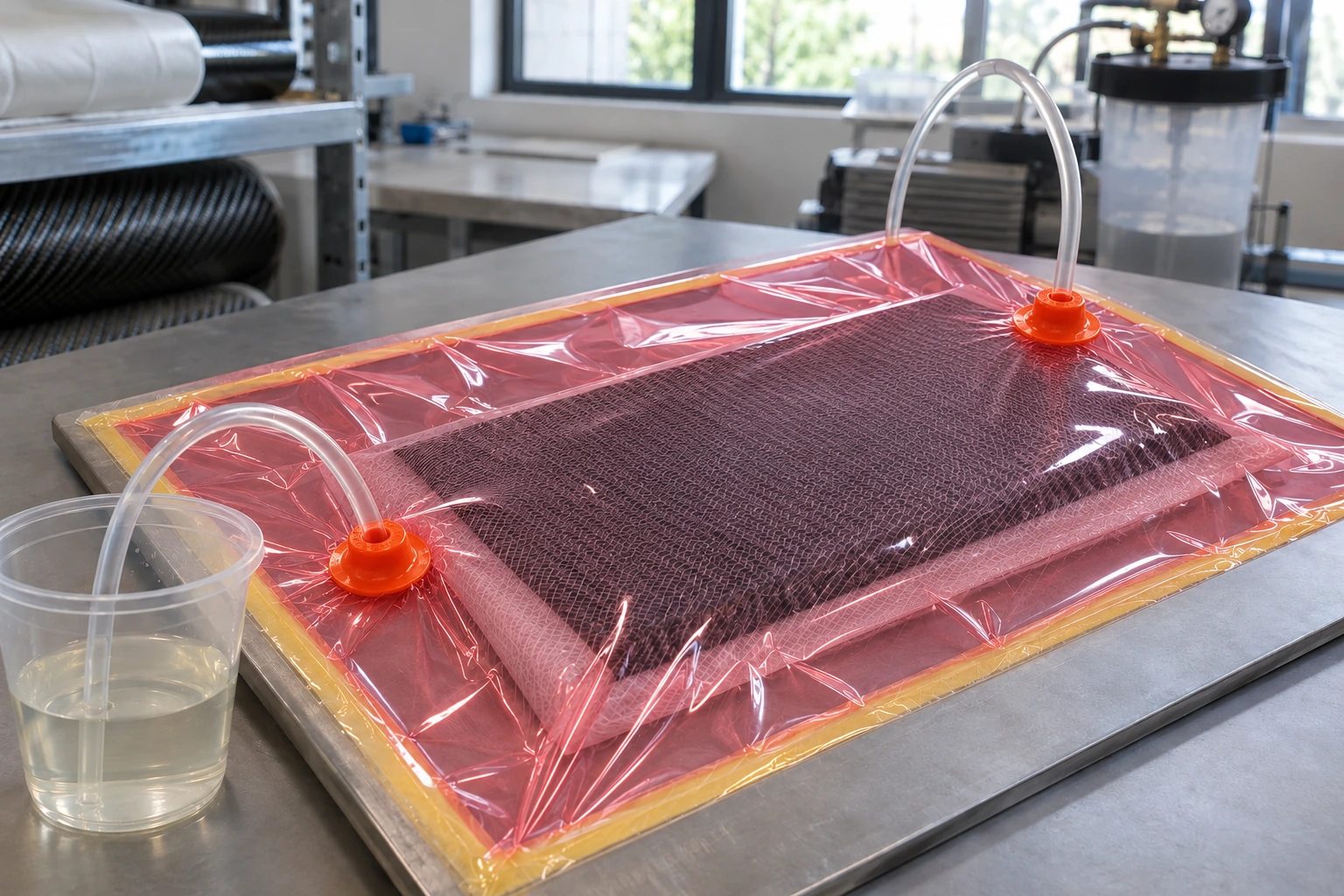
Before you buy
Decide whether filling will use vacuum or injection in a closed mould. Equipment, viscosity and filling strategy must match the chosen resin's process.
Size the process according to the part dimensions, temperature and reactivity of the chosen system.
Validate the bag, airtightness, consumable arrangement and flow strategy for the part.
What to buy for this project
Compare their purpose and conditions of use.
Check sizes and options on each product page.
Systems for wetting out reinforcement in closed moulds; compare each reference's process and cure.
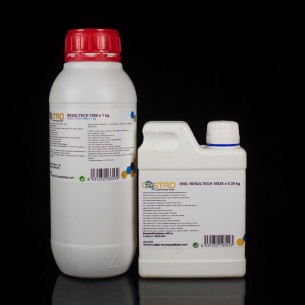
Epoxy · 1050 / 1053S system
1050 resin for infusion processes. The 1050 / 1053S system is particularly recommended for this technique.
Calculate the time needed to wet out the whole part before the resin gels. Workshop temperature affects both flow and available time; work within the data sheet's conditions.
Polyester · infusion and light RTM
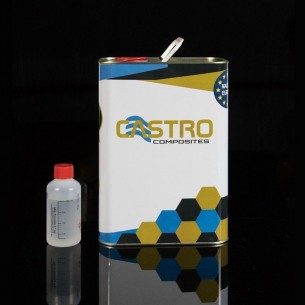
U904 LVK resin, K30 variant, for infusion and light RTM processes.
Check that the gel time allows your part to fill: temperature and catalyst level affect it. Allow for post-curing if you need optimum thermal performance and dimensional stability.

Urethane acrylate · infusion and RTM
Crestapol 1260 for composites made by infusion and RTM, including carbon-fibre laminates.
Define the reinforcement and check that you have equipment for the required curing cycle. Final thermal performance depends on this process.
Epoxy · large parts and structures
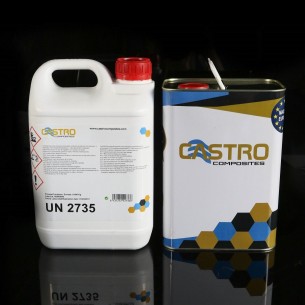
Resoltech 1800 for infusing or injecting large marine structures, wind turbine blades and other composite parts.
Distribute resin with external infusion mesh or permeable or grooved and perforated cores, according to the part. Keep reinforcements dry and control temperature. Heat curing is required before demoulding, followed by post-curing to achieve final performance.
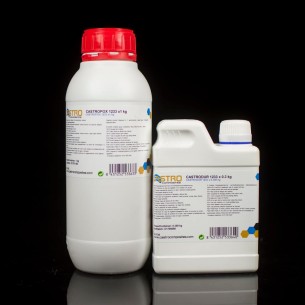
Epoxy · RTM and vacuum infusion
Castropox 1233 for RTM and SCRIMP processes in automotive, marine, wind energy and sporting parts.
You need equipment for heat curing, with a reference cycle of 6 hours at 70 °C. Check that the whole part can be wetted out within the working time at the actual workshop temperature.
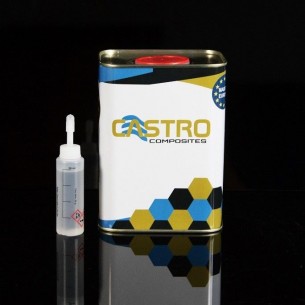
DCPD polyester · RTM injection
Low-viscosity resin for composite parts manufactured by injection, such as boat components, vehicle bodies, tanks and silos.
This option is for closed-mould injection. If your setup uses vacuum infusion, check the process requirements and documentation for the INF-G variant before applying parameters from the injection data sheet.

Epoxy · infusion of stiff, lightweight parts
Resoltech 1080S for stiff, lightweight composite parts made by infusion or injection with glass, carbon, aramid or basalt reinforcement.
Organise flow to complete wet-out within the available working time. Allows demoulding after room-temperature curing; the maximum thermal and mechanical properties in the data sheet require post-curing.
Epoxies requiring heat curing and post-curing.
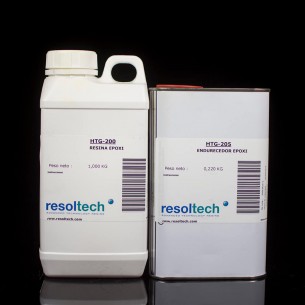
Epoxy · high-temperature infusion
HTG200/205 for infusing structural parts and tooling that require high thermal performance.
Work in a closed mould and avoid moisture: this system is not recommended for hand lay-up or winding. High-temperature performance requires the staged post-cure in the data sheet.

Epoxy · infusion with thermal post-cure
HTG160/165 for structural parts and tooling made by infusion or injection where high heat resistance is needed.
Use in a closed mould and control moisture. Hand lay-up and winding are not recommended processes; plan post-curing before choosing it for a large part.
Filled resins for a defined reinforcement and finishing system.
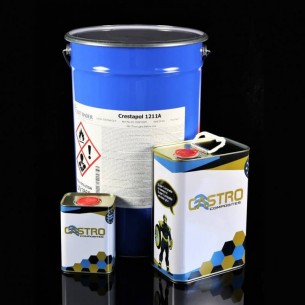
ATH-filled urethane acrylate · infusion and RTM
Crestapol 1211A for transport and construction parts with fire, smoke and toxicity requirements, manufactured by infusion or RTM.
Use reinforcements suitable for the flow of a filled resin and check the complete resin, reinforcement and finishing system against the project's requirement. Post-curing improves final fire-retardant performance.
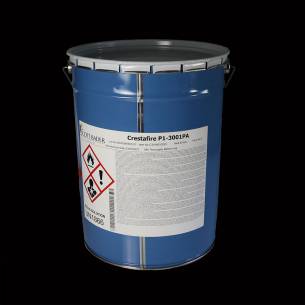
ATH-filled polyester · infusion and RTM
Crestafire P1-3001PA for laminates with fire and smoke requirements in railway, public transport and construction applications.
For the reference system with GCS1001E PA gelcoat, validate the complete laminate: reinforcement, thickness, finish and cure. The fire classification does not transfer to any part. This gelcoat is spray-applied and intended to be painted afterwards.
Crestafire GCS1001E PA: Spray gelcoat for the reference fire and smoke system with P1-3001PA. The complete part and its finish must be validated.
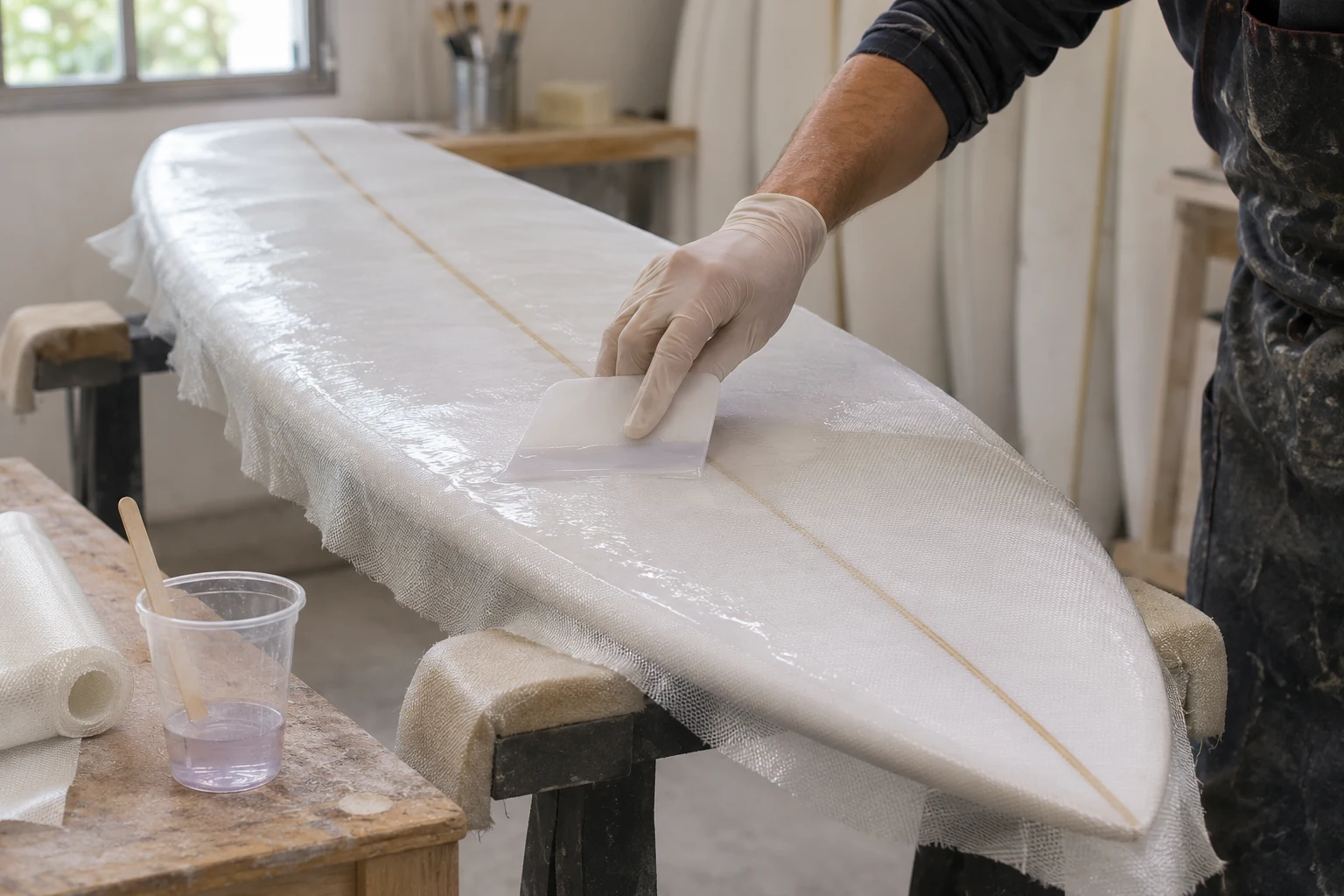
Resins for laminating boards with fibre reinforcement while retaining a clear finish over the core.
2 materials · View application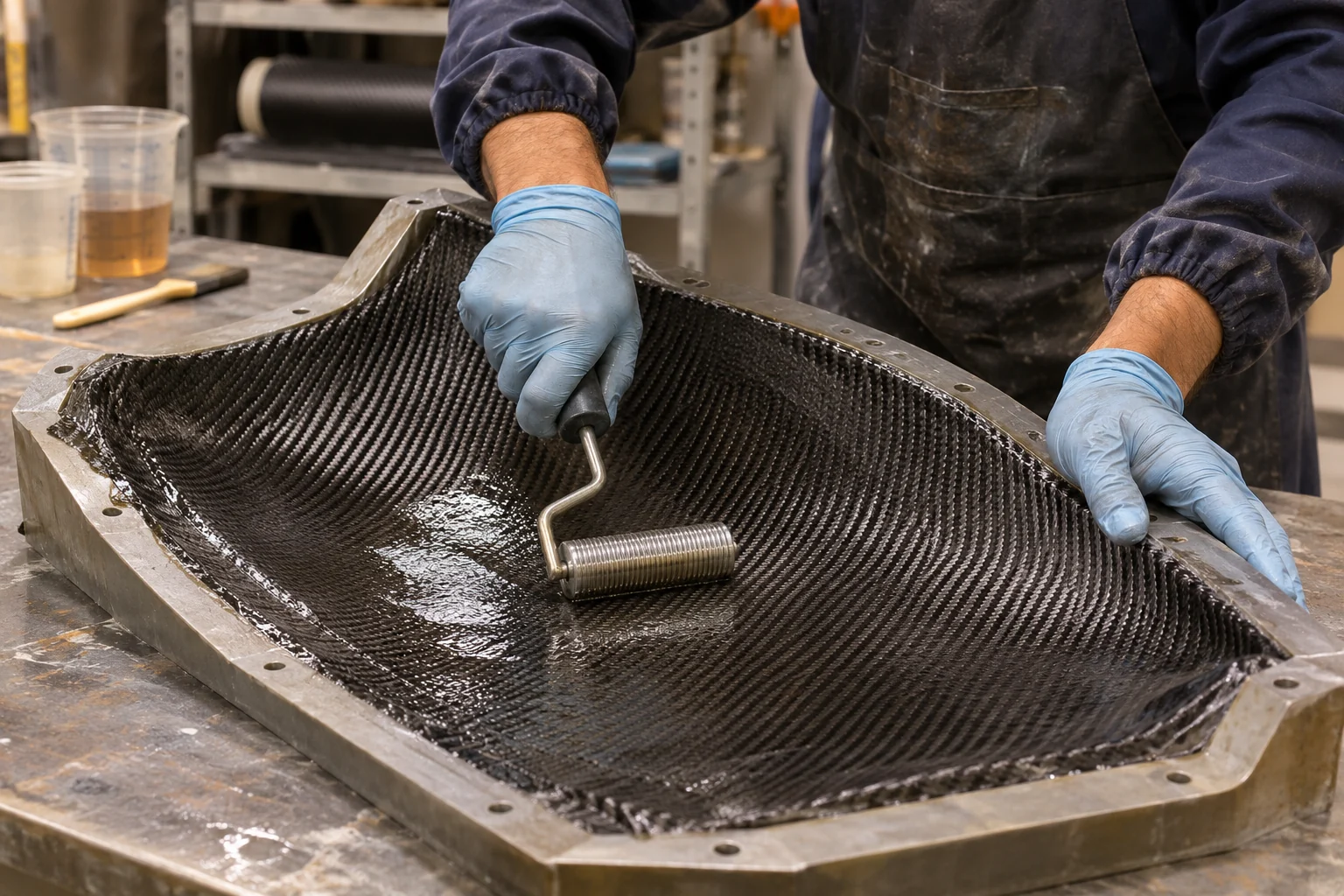
Epoxy, polyester and vinyl ester resins for making fibre-reinforced parts by hand lay-up or spray-up.
17 materials · View application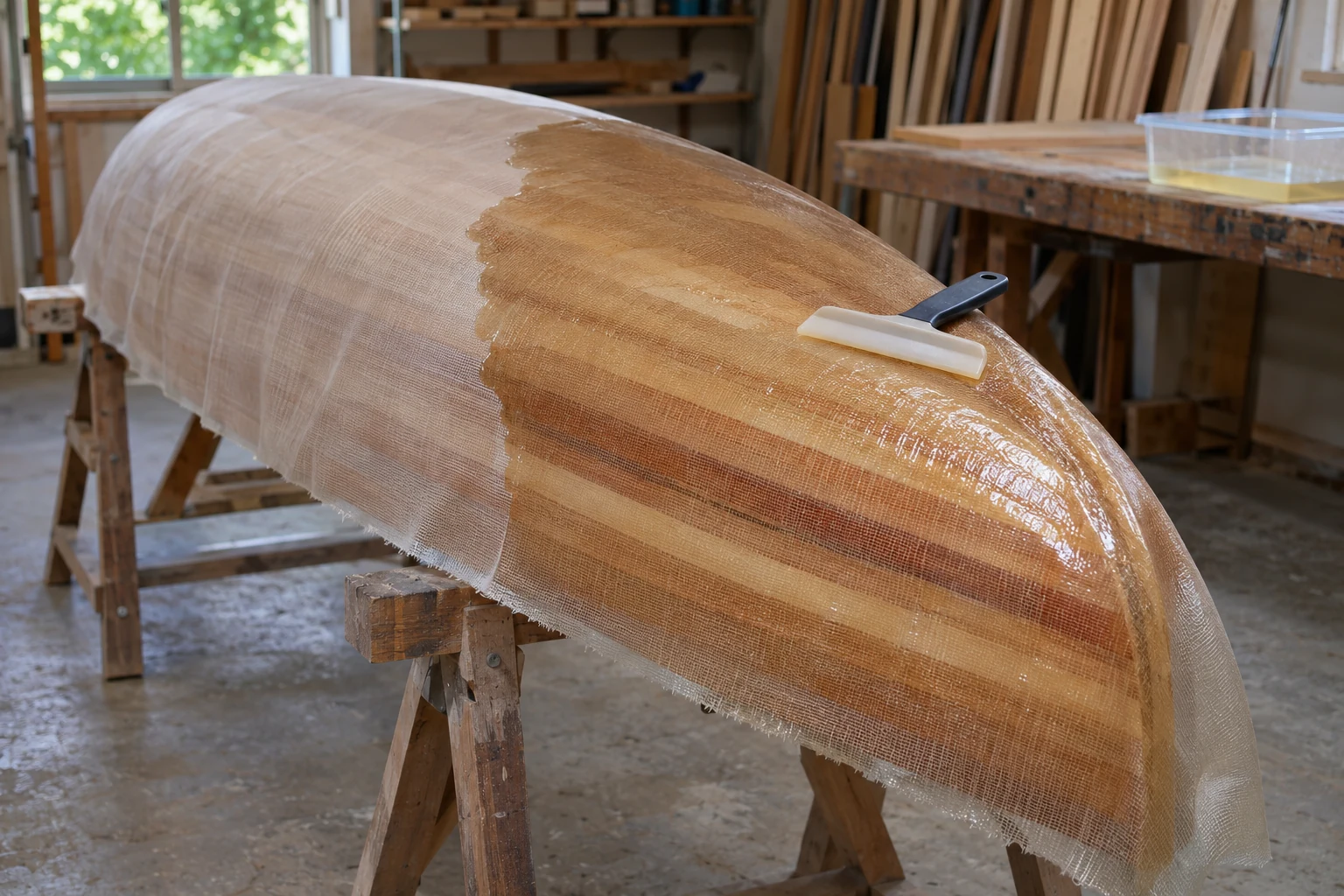
Epoxy systems for laminating, coating and bonding wood with suitable reinforcement and fillers.
3 materials · View applicationTell us about the process, materials and working conditions.
